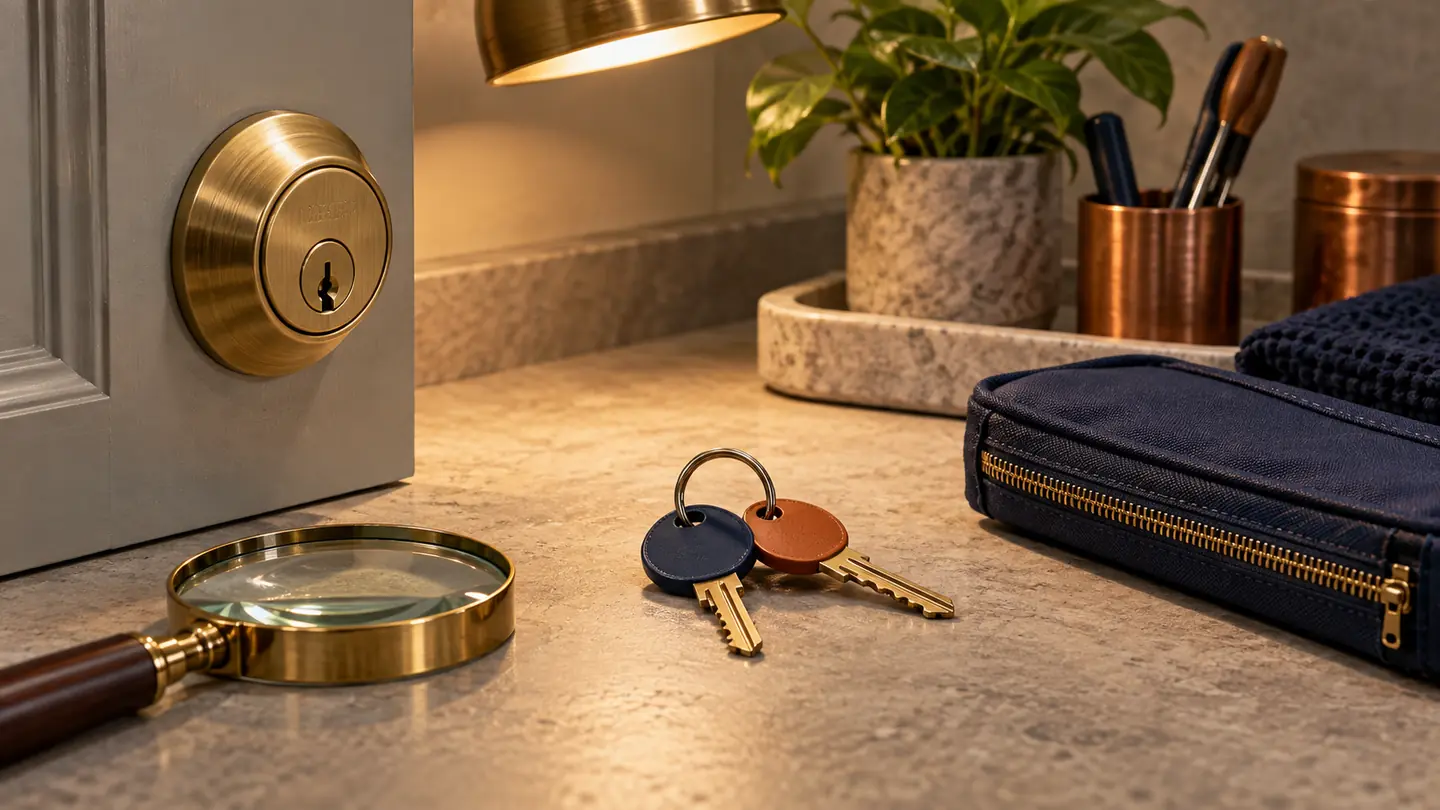
Rekey or replace the lock?
Rekey when suitable hardware works well but access needs to change. Consider replacement when the hardware is damaged, badly worn, incompatible, missing, or no longer appropriate for the door.
Sometimes the answer is mixed. Three locks may rekey cleanly while one worn deadbolt deserves replacement. A good plan does not force every opening into the same decision.
Before you call
Bring the details that change the answer.
- Number of exterior and interior locks involved
- Whether the locks share a brand or keyway
- Which doors should work with the same key
- Any damaged, loose, or difficult hardware
- Ownership, tenancy, or business authorization
Plan the keys before the cylinders come apart
For a home, decide whether every exterior door should use one key and whether a gate or detached space should remain separate. For a rental, confirm which key the tenant receives and which access the owner retains. For a business, map roles and restricted spaces first.
Bring every current key you have, even if the labeling is uncertain. The odd spare may reveal that two doors already share a keyway or that one lock is different from the rest.
- Count doors and locks, not only keys.
- Mark doors on a quick phone photo or sketch.
- Set aside keys that should stop working so they are not mixed with the new set.
What rekeying does not fix
Rekeying changes key operation. It does not straighten a shifted door, repair a failing latch, tighten every loose handle, or make mismatched hardware identical. If a key is difficult only when the door is closed, alignment deserves attention too.
Tell LockReach about every symptom, not only the access change. That helps us separate the rekey from any repair the opening may need.
From more than 20 years in the work
When rekeying is not the right shortcut
Rekeying depends on suitable cylinders and compatible keyways. A heavily worn lock, broken part, incompatible hardware set, or missing key-control requirement can point toward repair or replacement instead. The hardware needs to be inspected before every door is promised on one key.
Smart locks and keypad locks may manage access electronically rather than through a conventional rekey alone. If the property mixes mechanical keys, codes, and mobile credentials, list each opening and how people use it. The access plan should work as one system even when the hardware does not match.
One more useful thought
Think in people and doors
A useful rekey plan begins with access: who should enter, which doors they should use, and which old keys must stop working. A homeowner may want every exterior door on one key. A small business may need the office and stockroom separated. A rental change may involve only the tenant-controlled cylinders.
Label new keys carefully and test each one at the intended doors before the visit ends. A rekey is complete when the new access plan is understood, not simply when a fresh key turns once.